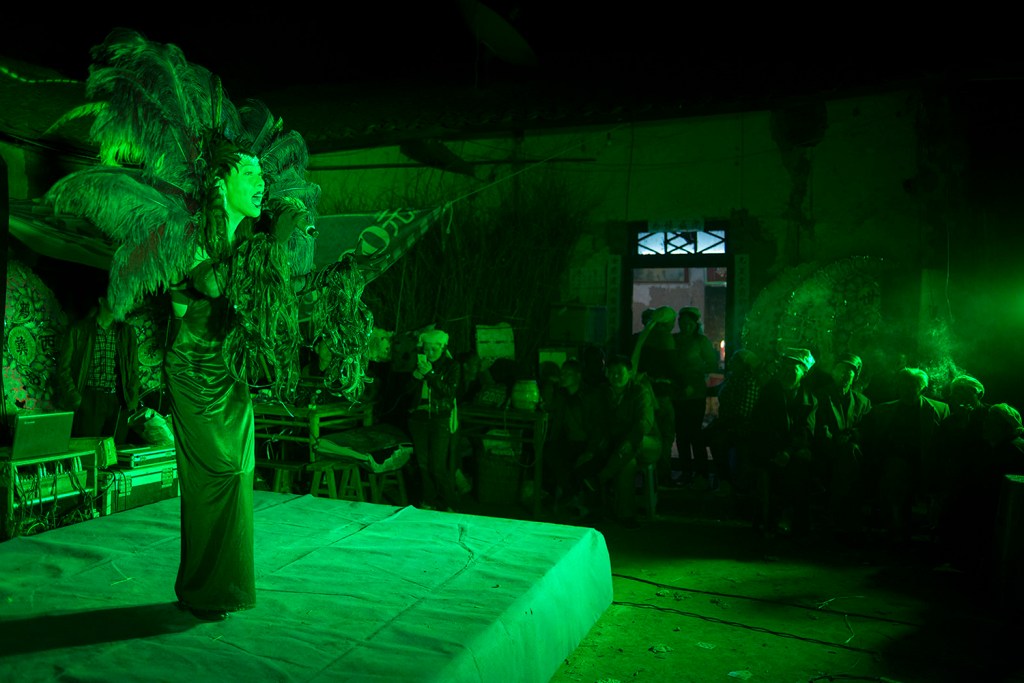
In one of my favorite books, “On Earth We’re Briefly Beautiful” by Ocean Vuong, there is a surreal scene toward the end of the book where after a heartbreaking experience with his schizophrenic, cancer-torn grandmother, the main character wanders onto the night streets of Saigon and stumbles on a group of strangers in drag, dancing and crying around a corpse. The character only learns later that he has witnessed a kind of pre-funeral performance—when a person dies in the middle of night here, coroners are often not working, and the neighbors will pool their money to hire a troupe of drag performers to “delay sadness” until morning. Here, the dead (and their loved ones) are shielded from the shadow of death for a few more hours through extravagant theater.
As the author writes: “Because grief, at his worst, is unreal. And it calls for a surreal response.”
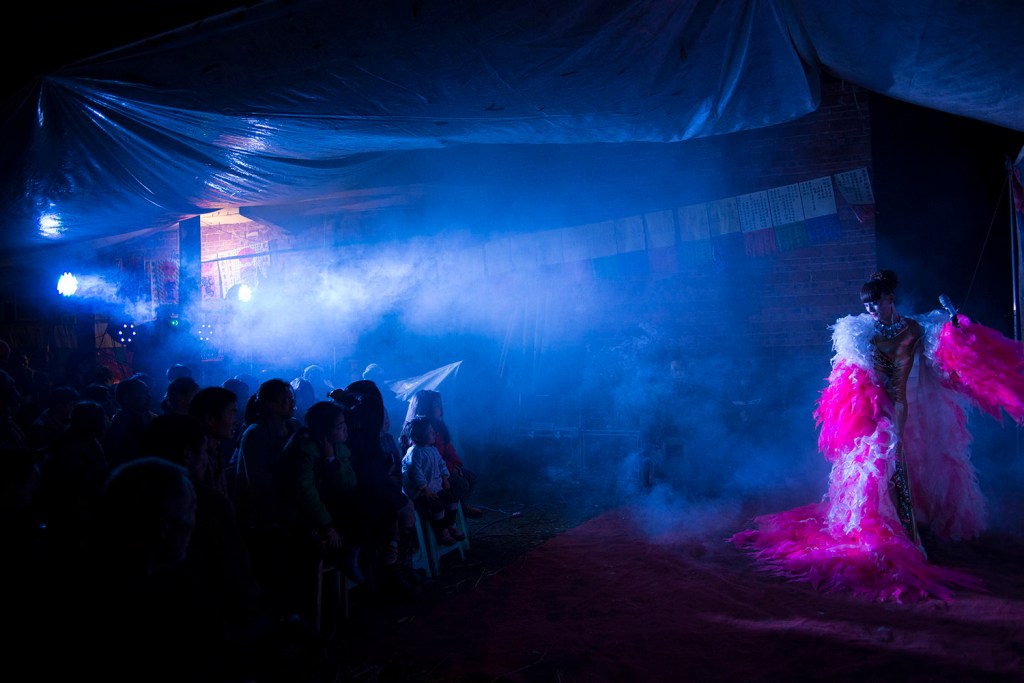
I attended the Nebula Conference recently where all the poetry finalists were asked about the inspiration behind their nominated poems, and I think Vuong’s quote perfectly sums up the origin of my poem, “The Mourning Robot.” I’ve spent the past 2+ years being one of the primary caretakers for my father who was diagnosed with glioblastoma on my birthday in 2024. Brain surgery left him unable to use the left side of his body and over the course of months, he rapidly lost the ability to stand, read, feed himself, and eventually even speak or turn his head. Now, when I tell him about his grandson’s latest school project or play his favorite song or put on his favorite comedy show, things that used to bring him so much joy, he will just stare at the ceiling, and I will wonder what he sees.
For those who have ever been long-term caretakers for sick or dying loved ones, the cycle of heartbreak, exhaustion, and eventual desensitization is a familiar one. One that becomes its own unique liminal space. Sometimes we start to feel like machines, completing the same tasks, feeling ourselves wear down, nodding at each piece of increasingly bad news like another childhood store in the neighborhood closing down. We count how many places are left. We learn to wrap our hearts in metal so it hurts less. So we can survive. And more often than not, we do this in silence. Sometimes for years, decades, until we too look at ourselves in the mirror and are startled by the person looking back, so little of ourselves left in that reflection.
Longterm caretakers aren’t like the heroes who save people from burning buildings, who battle greedy corporations (and politicians) to keep our water safe to drink, or even those who donate their wealth to the development of new mRNA vaccines or sustainable ways to combat global warming. Most never have their moment in the spotlight, nor do they want it because that recognition too is a reminder of how much has been lost. They work, unseen, like robots toiling in the dark, their exhaustion the primary measurement of their dedication.
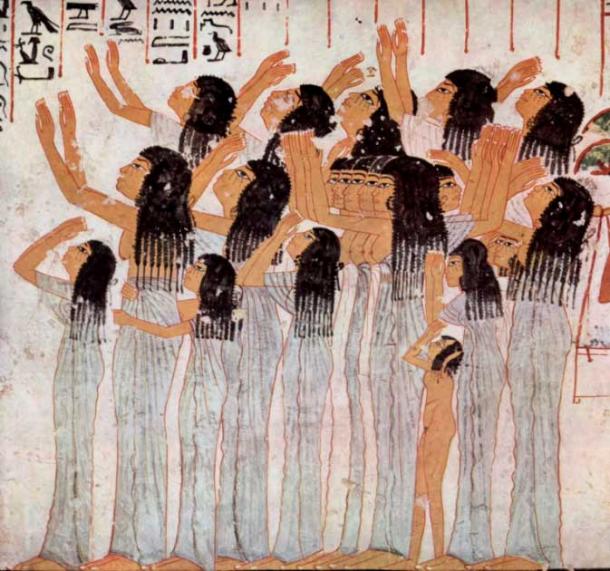
This made me think of the professional mourners I’d often heard about in China—most often women who were paid to show up at funerals and wail as loudly as possible to show how loved and missed the dead were. Some were paid to perform pre-written eulogies or sing. A deep-dive into the history of professional mourning showed that the practice could be traced back as far as ancient Egypt, and like the drag performers in Vuong’s story, often consisted more of theater than just the spectacle of crying. Some danced, others dressed as majestic goddesses and walked in funeral procession like mourning guardians.
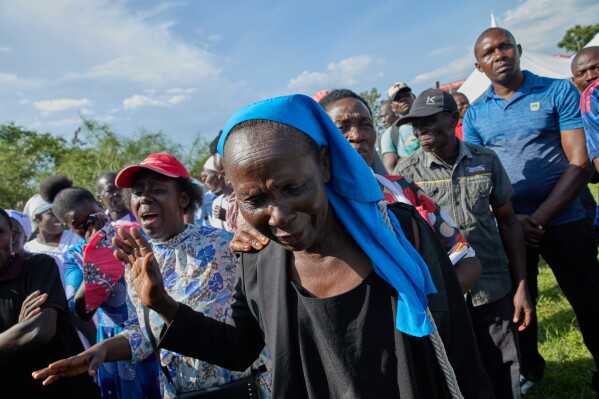
On the ride home after a visit with my father’s oncologist, I started thinking about how many people would come to his funeral. Why it sometimes felt like a life’s worth is measured in the number of bodies that mourn its loss. Growing up, while the neighborhood kids competed with how expensive their toys or clothes were, my brother and I competed over how many people we thought would come to our theoretical funerals. I thought of the awful emperors who forced their subordinates and consorts to join them in death, stripping them of any remnants of their own life. How that desperate need to be remembered and cared for can sometimes twist itself into its own brand of cruelty. And that’s when I started thinking again about machines. How unlike a real body, they never needed to sleep, never needed to eat, never needed anything but a job to keep performing. They could be there whenever you needed and expect nothing in return.
What would it be like to have your own robot mourner? To be sure that at least something would be there, programmed to mourn your death? Would that be enough?
When I finished writing “The Mourning Robot,” the one thought I kept looping back to was: what would these robots be doing if they weren’t mourning? What did they dream of? Were they even robots? Or just people that had been expected to behave like robots? I briefly thought of the Cybermen in Doctor Who, how they are “upgraded” to grant them immortality, in exchange for their all memories and emotions. They become invincible, able to live forever, at the expense of everything that makes life worth living.
In the end, I think “The Mourning Robot” was always meant as a kind of ping—to all the invisible caretakers, the ones who have given up careers or put their entire lives on hold so that they can provide comfort and companionship to their loved ones who have been largely neglected by broken healthcare systems. To those who desensitize themselves to the exhaustion and heartache, who are forced sometimes to turn themselves into machines that love and sacrifice and mourn the living.
Because grief is so often nothing but an empty theater. But still, we continue to sing.
(This was originally published in my newsletter, which you can check out here, along with my recent fiction/poetry recommendations and updates.)


Leave a Reply