I like to eat, and if you’ve read my work, you’ve probably noticed that there is always some food/eating scene. I love deep discussions over food. I love self-reflection and life-changing revelations over food. Eating is when the mind opens itself up, good food (and sometimes bad too) the equivalent of meditation.
So naturally, one of my oldest stories, “The Time Traveler’s Cookbook,” is literally seven vignettes featuring the main character gorging on delicious bites and pondering about life. As someone who grew up watching Iron Chef for hours, I’ve always really liked seeing people’s reactions to food: those thoughtful comments about ingredients and tools, the marriage of flavors, the plating details, how a gut reaction to a specific food can reveal a much deeper personal history. So “The Time Traveler’s Cookbook” is very much a literary reaction video on some foods/cooking methods I’ve always found fascinating from a historical perspective.
The starting point for the story came from a simple question from my then dinosaur-obsessed 3-year-old: “What does dinosaur meat taste like?” We’d spent months reading about the different time periods, the anatomy of the different ancient creatures, the climate/vegetation changes over millions of years, and I was literally dreaming about chilling with maisauras in the Cretaceous when I wrote the first scene of this story. (For those interested, there is a whole Smithsonian article speculating on what different dinosaurs might have tasted like to the human tongue).
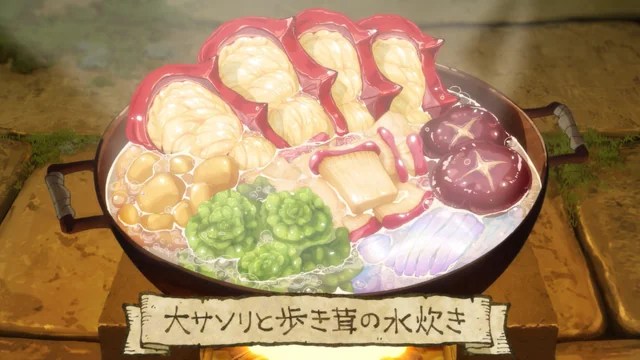
The next two foods I chose because they were things I’d eaten all my life and I was curious to learn more about their history: Peking Duck and Xiaolongbao. Xiaolongbao, in particular, inhabits a special place in my childhood memories: going with family to Yuyuan Gardens (or more specifically Chenghuang Temple) in Shanghai in an unheated bus during the ‘90s in winter (back when you had to pay extra for the “heated” bus), my mom buying two paper trays of soup dumplings, the steam rising in the chipped-paint gazebo, huff-huffing and burning my mouth to oblivion for the first time. I remember thinking in disbelief, “why do adults eat something so dangerous??” This was long before Yuyuan was drastically renovated and became the tourist hub it is now.

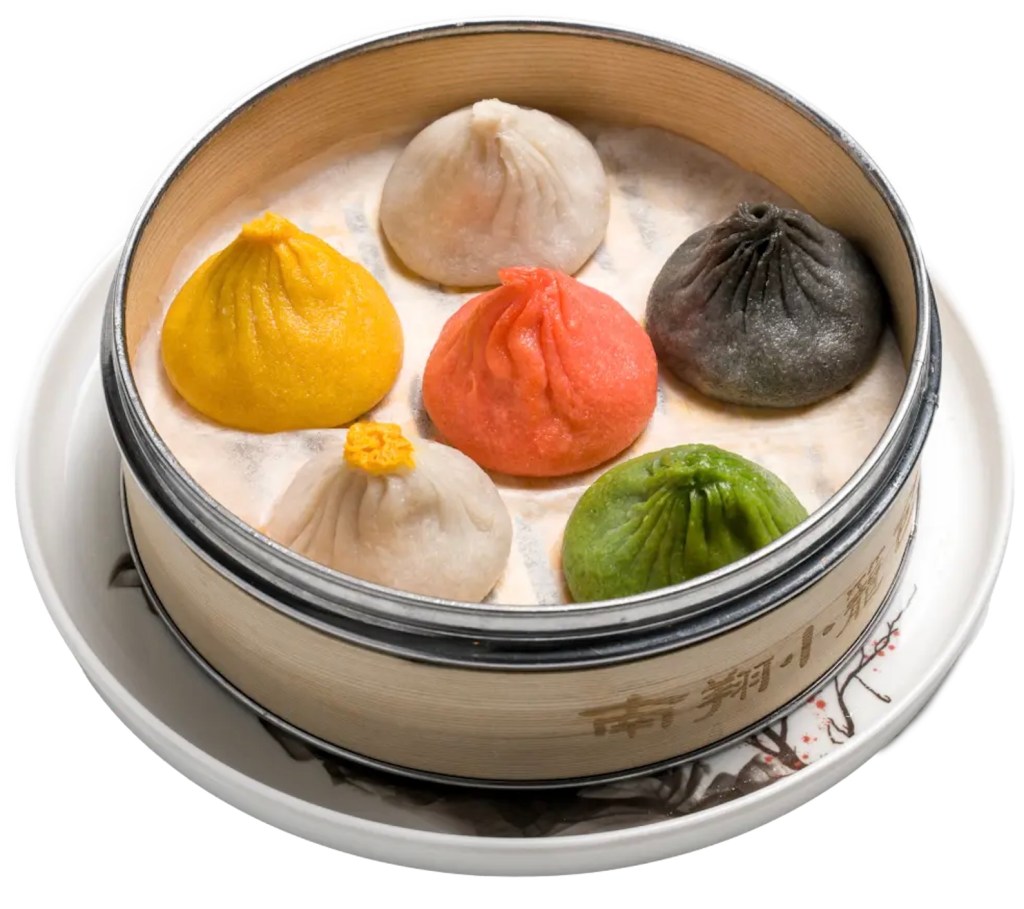
(photo: Nan Xiang Soup Dumplings NYC)
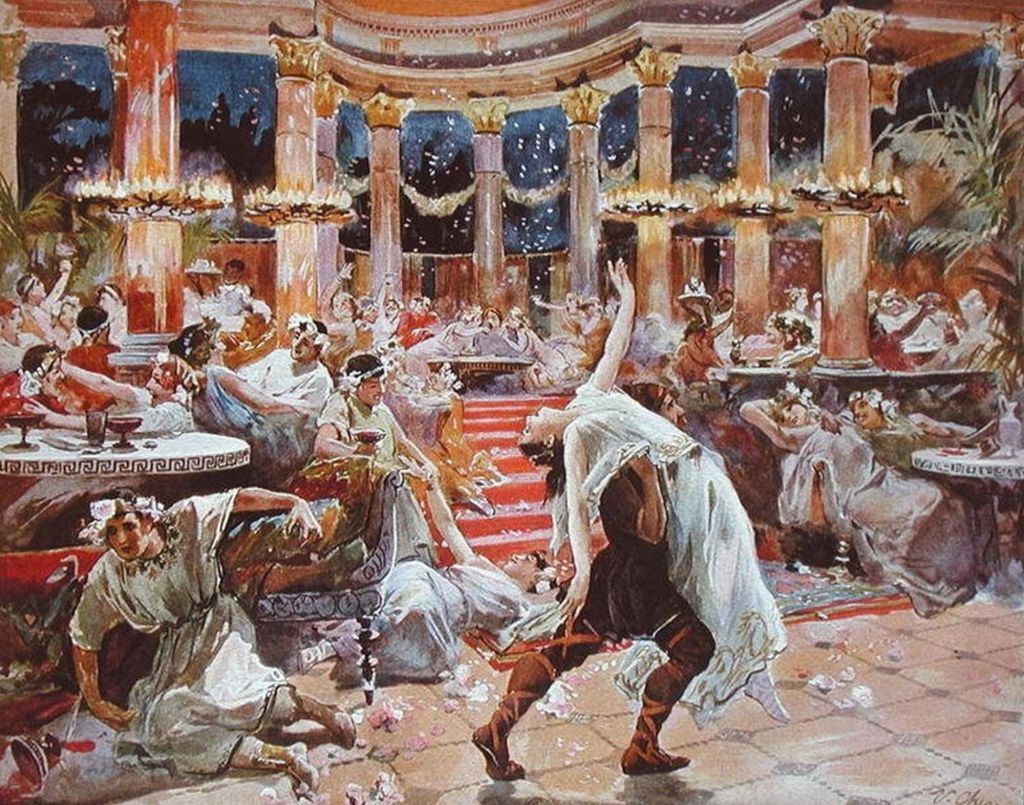
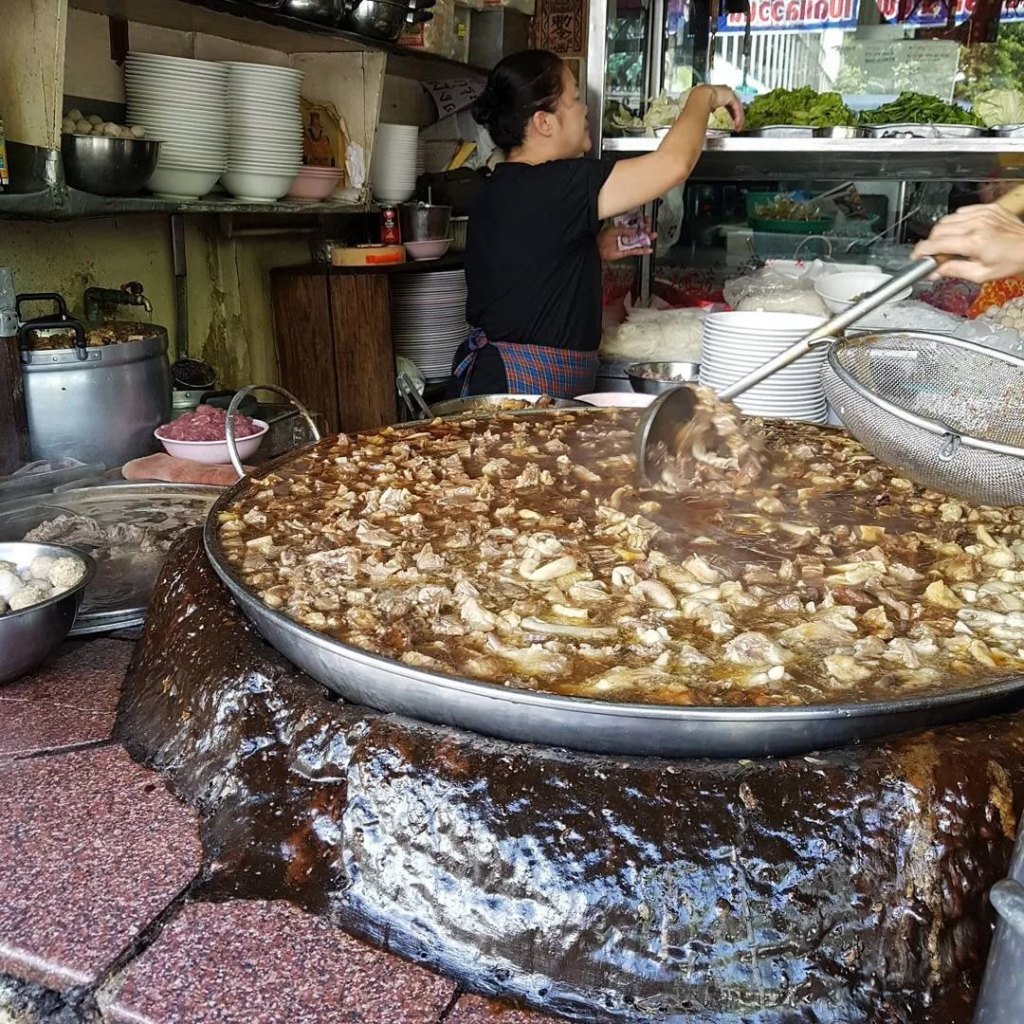
Ancient Roman banquets have always fascinated me after a history teacher in high school joked about how people were literally feasting and vomiting for hours. As someone who grew up fearing buffets because of my parents almost-military mindset whenever we went to one, strategizing about how many plates of seafood needed to be consumed to break-even, the so-called vomitorium was of particular interest (I only learned later, sadly, that “vomitorium” was just the name of a passage in a stadium or theater below the audience seating). The perpetual stew was new to me and something I found when searching for weird foods through history.
The final scene, in a Shanghai restaurant in Chinatown NYC, was based on a real restaurant (Shanghai Asian Cuisine on Elizabeth Street) I used to go to every weekend with my family in the ‘90s and early ‘00s. I loved the lychee slush drink and pan-fried noodles. My brother used to joke that it was the place he had his first beer (he didn’t mention if he was of legal drinking age or not at the time). The owners had changed at least twice since I was a kid, but it was always in the same place with the same food. I brought my college friends there; I’d get a take-out order of the pan-fried noodles whenever I was in the area for work (they always packed the noodles and topping separately to keep the crispiness of the deep-fried noodles); and when my husband moved to NYC with me, it was one of the first places I brought him. It was the only place in Chinatown that my toddler son would eat properly at (he loved the soup dumplings and fried rice).
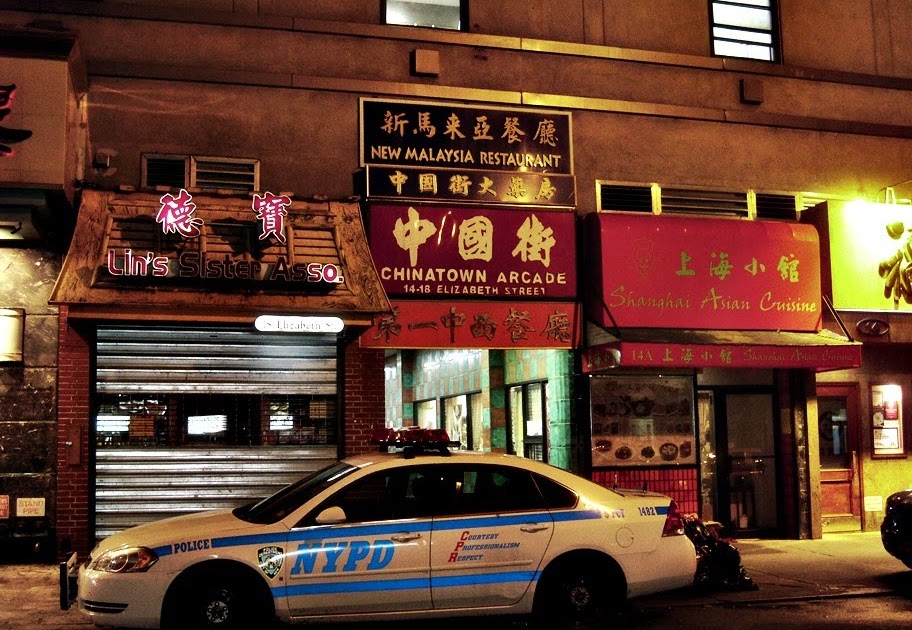
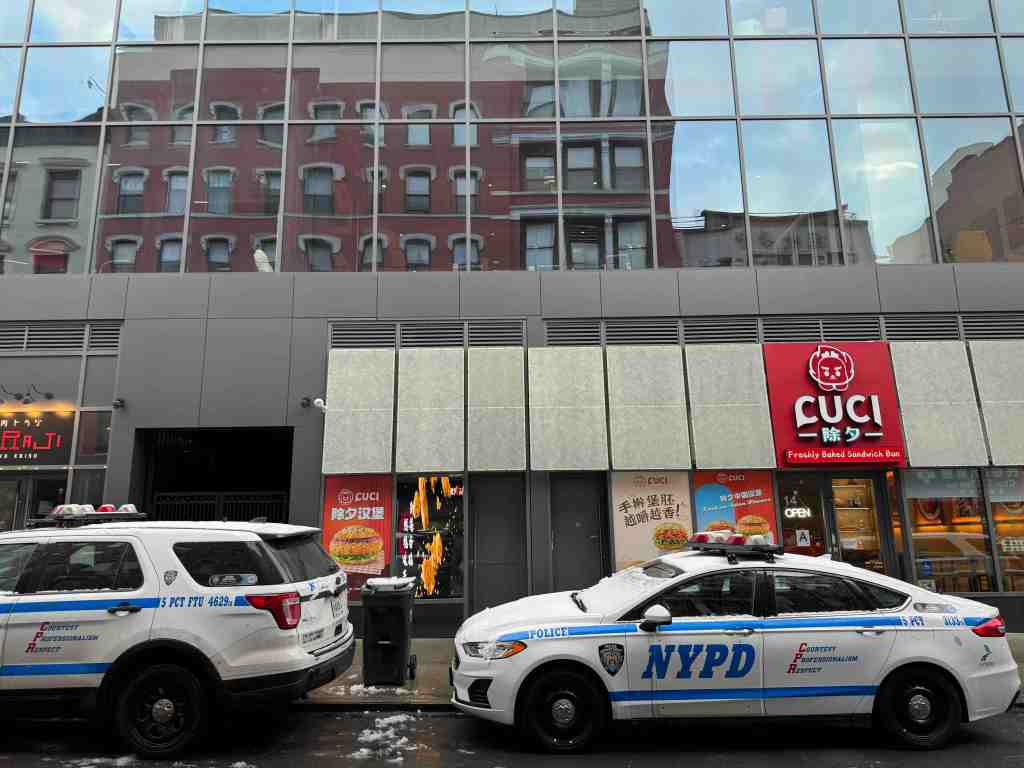
Then one day in 2023, after making our usual shopping rounds, we headed to the restaurant for lunch and found it covered in scaffolding. The lights were off inside, and all the furniture was gone. After asking around, I found out it had shut down for good a month earlier—the entire building was being torn down to make way for a new apartment complex.
This was nearly a year after I’d written “The Time Traveler’s Cookbook,” and for the first time, I wish I could be like the people in the story, traveling back to the ‘90s, ordering my lychee slush, listening to my brother talk about the latest game he was playing, my mother listing out all the ingredients she still needed to buy, the restaurant still there, just like that part of me.
There’s something devastating about a memory that can never be updated. For the past several decades, I’d visit the restaurant in all its iterations, always revising my image of it, but the core of it—those childhood lunches with lychee slushes, pan-fried noodles, and chatting with my brother and mother—those stayed anchored in the center. When a place is gone, there is no longer any chance to revise the image, to keep it alive. All you can do is wait for the original memory to slowly degrade and eventually disappear.
Still, I recently found myself thinking about the restaurant’s side door that I always liked sneaking out of as a kid. Sometimes when my family was taking too long to eat, I’d pretend to go to the bathroom and duck out that door instead. It led to a long, low-ceilinged brick alley. It was cold and dim, cardboard boxes scattered around. Sometimes one of the kitchen staff would be there, smoking a cigarette. Sometimes I’d be all alone. I didn’t know where the alley led, but there was always this thrill thinking about where it could lead.
For those interested in rejectomancy, this story was actually my very first pro-rate sale (and second ever fiction sale). The story was originally titled “The Time Traveler’s Lunch” and had a much more depressing ending. That version got a few kind rejections, so I reworked the story to focus more on trying to rediscover the mother through the foods she loved rather than the grief of losing her forever. The rewrite sold to Cast of Wonders soon afterwards.
You can check out the rest of the newsletter this originally appeared in (along with all my recent short fiction/poetry recommendations) here. Or sign-up here. Until next time!
 Angela Liu
Leave a comment